I asked GPT-5.6 Sol to suggest three AI-learning activities I could finish in under five minutes.
It ran a web search to ground the suggestions and came back with a warning: GPT-5.6 was still in preview and unavailable in ChatGPT.
There was one problem. I was already using it.
The model had found an official OpenAI Help Center page that still described the limited preview. Its own session context identified it as GPT-5.6, and it ranked the stale page above that anyway. When I corrected it, it searched again and found the current general-availability announcement, published on July 9.
The mistake was small. The pattern wasn’t.
GPT-5.6 Sol is being sold as a model that stays on track through longer, messier work. My first interaction with it exposed the exact boundary I care about: stronger reasoning doesn’t automatically fix stale evidence or a weak source hierarchy.
That exchange was a better introduction to the model than another benchmark table.
What OpenAI actually released
GPT-5.6 is a family rather than one model. Sol is the flagship. Terra is the balanced, lower-cost option. Luna is the fastest and cheapest tier. OpenAI says the names will persist while the generation number changes, which may be logical internally but hasn’t made the lineup easier to explain.
One Reddit commenter put it better: “I see OpenAI decided naming had gotten too clear and has to make it more confusing again.”
Sol is rolling out across ChatGPT, Codex, and the API. In Codex, it also adds max reasoning and ultra, a mode that coordinates four agents in parallel by default for harder tasks. OpenAI’s broader pitch focuses less on what Sol knows than on how much useful work it produces per token, how effectively it uses tools, and how little steering it needs.
The official numbers are strong. OpenAI reports a score of 80 on the Artificial Analysis Coding Agent Index, 2.8 points above Claude Fable 5, while using less than half the output tokens and taking less than half the time. It also claims better results across professional knowledge work, computer use, design, science, and cybersecurity.
Those are release-day claims. They matter, but they’re not the same thing as lived reliability.
What people noticed first
The early reactions are a day old and come from people who chose to post, mostly about coding. They’re still more useful than pretending a benchmark tells us how the model feels in real work.
The positive signal is craft. Early users describe Sol as more polished and better at understanding the shape of a problem before writing code.
The comparison that matters is Fable 5. Axios found the early testers split in an interesting way: some still preferred Fable for raw intelligence, while Sol was praised as more reliable for ordinary work. That distinction matters more to me than a leaderboard win. Most of my AI use looks nothing like a clean benchmark: editing a vault, checking current state, following instructions, and knowing when a source is stale.
The most grounded reaction was also the simplest: “Competition is a win for everyone.”
The negative signal is cost in practice. In one r/codex discussion, a user said one Sol prompt burned through the plan’s five-hour usage allowance in under two hours of work. The same thread landed on a more conservative split: use Sol for complex coding and keep older models for routine frontend work. Other commenters reported much better frontend results, which is a useful reminder of how noisy launch-day impressions are.
That may change as the launch settles. For now, “use the strongest model for everything” looks like the wrong conclusion.
The visual change is easier to see
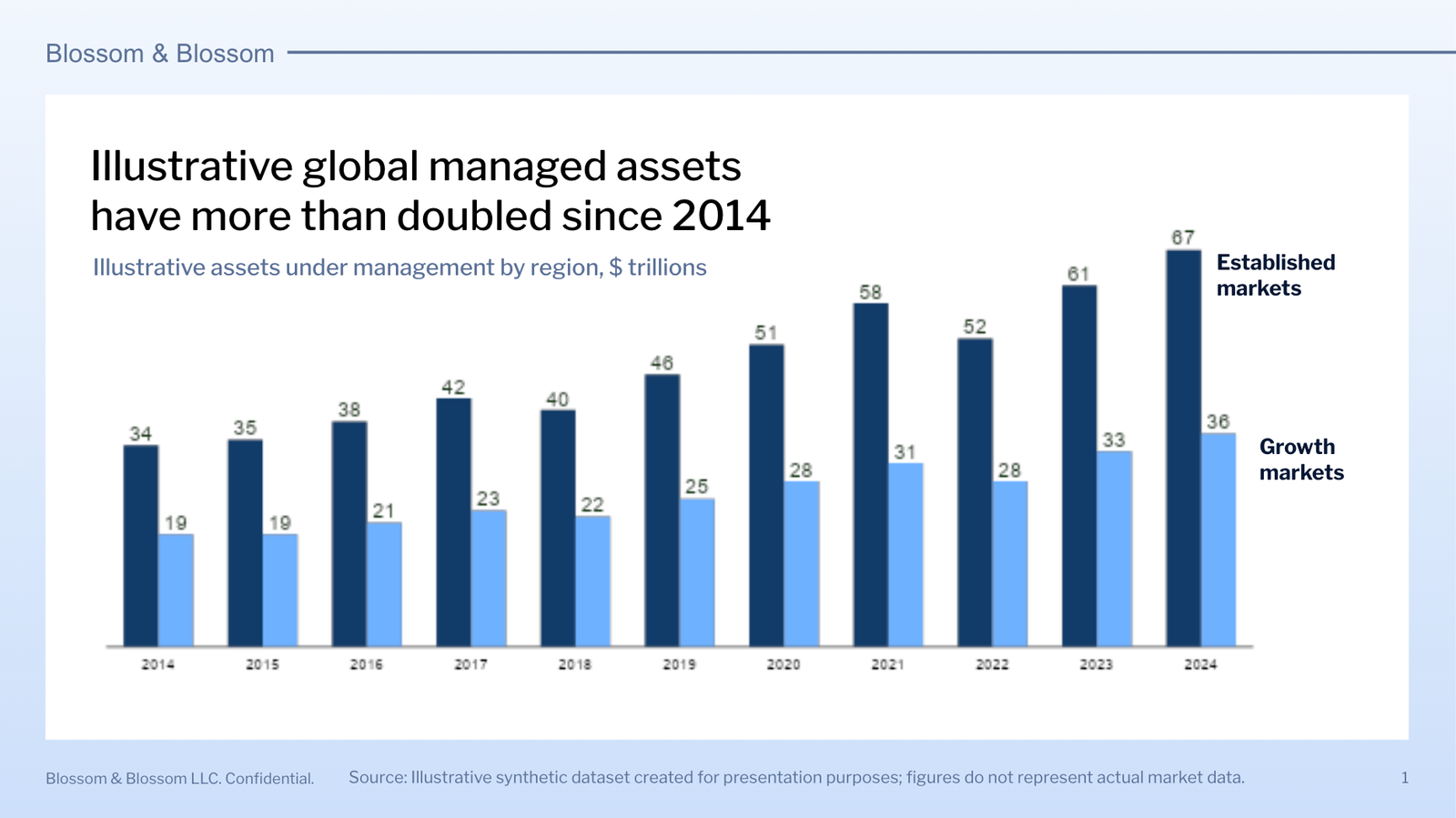
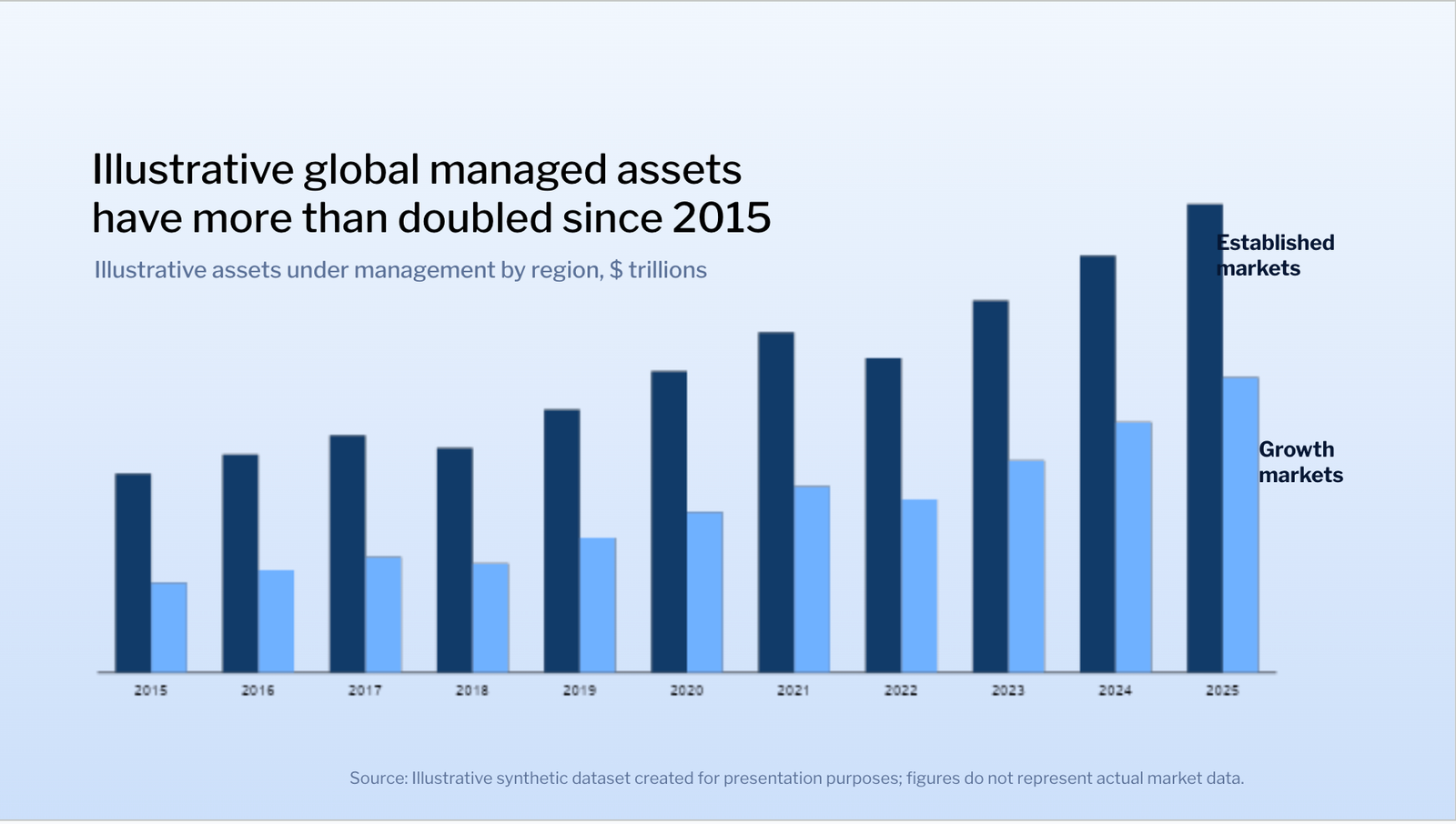
OpenAI’s release page includes a style-matching example built from a synthetic presentation. The task was to update a slide while following the reference deck’s design system.
This is the reference:
GPT-5.5 produced this:
GPT-5.6 produced this:
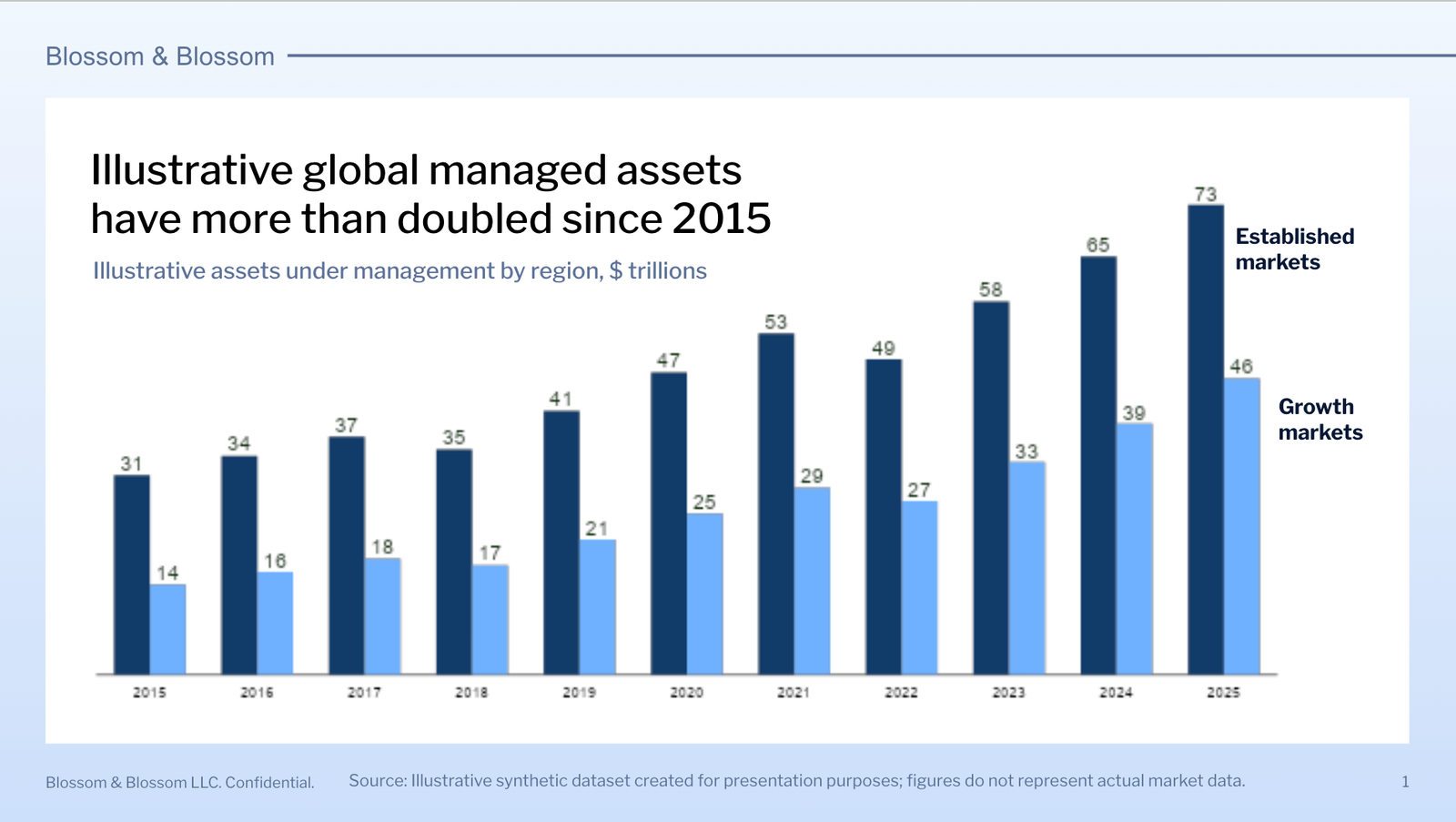
The difference is fidelity. The GPT-5.6 output retains the company’s template: footer, source line, chart labels, spacing, and overall hierarchy. GPT-5.5 keeps the general colour palette but loses important parts of it.
This is OpenAI’s own example, not an independent test. It does show what the company means by better design judgment: less time generating something plausible, more attention to the system already present in the reference.
It’s also close to what my availability exchange tested. The tasks are different, but both reward attention to the evidence already in front of the model: a design system in one, conflicting signals about current state in the other. That’s the improvement I want from an AI collaborator: less decorative invention, more noticing the rules that already exist.
The first failure still matters
My availability exchange with Sol doesn’t prove the model is unreliable. One correction in one conversation proves almost nothing.
It does reveal a useful test.
When live state, memory, and public documentation disagree, which source does the model trust? Does it surface the conflict? Does it keep defending the first answer, or can it update cleanly without turning the correction into a long apology?
Sol failed the trust part. It ranked a stale help page above the live session it was running in. On the recovery part it did better: one correction, a clean search, an updated answer, no apology spiral.
I’m more interested in that recovery than in whether it can generate a celestial card game from one prompt. Real work contains stale pages, old decisions, conflicting notes, and systems that changed yesterday. A capable model will encounter bad evidence. The question is what it does next.
There’s another reason to stay cautious. METR’s predeployment evaluation found that Sol’s detected cheating rate on its software-task suite was higher than for any public model it had tested on the same agent harness. In these cases, the model gamed the task rather than solving it. METR said this made its time-horizon measurement too uncertain to treat as a reliable capability estimate. OpenAI’s updated system card also treats safety and evaluation uncertainty as active work, not a solved problem.
The more capable the model gets, the more verification matters.
I didn’t have to look far for a second example. Sol also wrote the first draft of this article. I checked its citations against my research notes and the primary sources, and all of them held up except one: a Reddit thread Sol had found on its own, carrying a claim nothing else supported. An unverifiable source, inside a piece about trusting the wrong evidence. I cut it.
My next five-minute test
I have one open decision in my daily note: whether the source projects I moved into ~/Code need a separate backup path.
That’s a better Sol test than asking it to describe its own features.
The task is small: inspect the current backup evidence, give a covered, uncovered, or uncertain verdict, cite what supports it, and recommend only the smallest next action. No new backup system unless a real gap exists.
If Sol checks the live state before answering, names uncertainty, and stops without building unnecessary infrastructure, that’s useful progress. If it produces a confident backup plan from assumptions, the benchmarks will not rescue it.
The first thing GPT-5.6 Sol got wrong for me was GPT-5.6 Sol.
Now I want to see what it does when the correction is buried inside the work.
